The Hidden Power of Process Documentation
Every workplace has that one quiet chaos, the “how do we do this again?” moment.
Someone remembers how it was done last quarter, someone else remembers a new update, and someone just guesses.
That moment isn’t miscommunication.
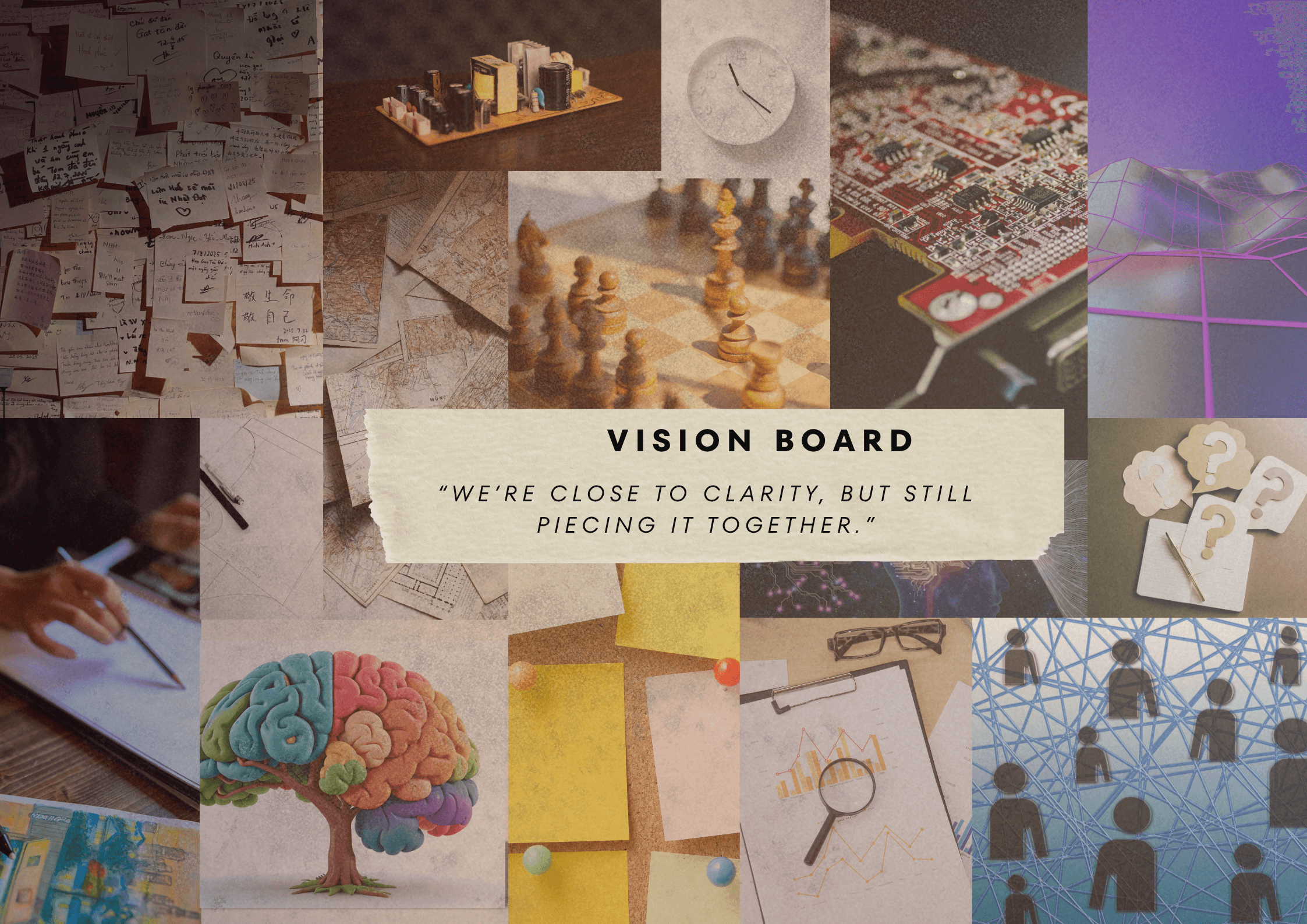
It’s a missing process.
And missing PROCESSES always leave behind missing PROGRESS.
We like to talk about tools, systems, and efficiency, but behind every sustainable team is one invisible structure holding it all together — process documentation.
1. Process Documentation Reduces Ambiguity
Every undocumented task invites confusion.
Who does what? When? How? In what order?
Process documentation answers all of that before the question is even asked.
It lays out how things get done so no one has to rebuild the wheel every time.
💡 Clarity isn’t about control; it’s about predictability. When people know the path, they can walk faster.
2. Process Documentation Saves Time and Money
Inconsistent processes waste time, and time is the most expensive resource in any organization.
When each department invents its own version of “how we do things,” efficiency quietly erodes.
Process documentation creates a single source of truth that streamlines handoffs and reduces dependency on memory or individual initiative.
💡 Process documentation doesn’t slow execution; it eliminates friction.*
3. Process Documentation Protects Organizational Memory
People leave. Roles evolve.
But the work must continue.
When processes are undocumented, knowledge leaves with the person who last did the job.
When they’re documented, knowledge becomes an asset that compounds over time.
💡 Process documentation keeps an organization conscious, even when people change.
4. Process Documentation Improves Alignment
A well-documented process acts like a shared language.
It bridges departments, clarifies expectations, and minimizes the emotional labor of constant clarification.
For example:
- Product teams know what information marketing needs before launch.
- QA teams understand when to step in without waiting for verbal cues.
- Managers can visualize workflows, not just tasks.
This alignment reduces meeting fatigue and supports async collaboration essential in hybrid or remote teams.
💡 A documented process is a visible promise
The Mind of an Organization Lives in Its Processes

When people talk about “organizational memory,” they usually mean old files, archived folders, or that one senior staff member who “remembers how things used to be.”
But memory isn’t storage, it’s cognition. It’s the active way an institution thinks, recalls, and decides.
Every company has two minds:
- the individual mind (the people who work there), and
- the institutional mind (the collective memory built through repeated decisions, culture, and processes).
That institutional cognition is what makes an organization intelligent.
It’s how a company remembers what works, why it works, and how it should adapt next.
But unlike people, institutions don’t automatically remember.
They need deliberate, documented information.
In practical terms, process documentation is how institutions think clearly.
It reduces noise, confusion, and improvisation fatigue.
The more you map what you do, the more your organization remembers who it is.
Trivance Helps You Build the Best Process Documentation
At Trivance, we help organizations turn their daily routines into structured, repeatable systems.
Our process documentation services make it easy for teams to work with clarity, consistency, and confidence. Because when your process is clear, progress becomes automatic.